Home Cinema Design for Luxury Homes: What to Consider Before You Build

A great home cinema is about far more than choosing a large screen and quality speakers.
In luxury homes, the best cinema and media rooms are planned from the earliest stages of the design process. Room layout, acoustics, lighting, wiring, automation and interior finishes all contribute to the final experience.
Whether you're building a new home, renovating an existing property or creating a dedicated entertainment space, early planning helps ensure the technology integrates seamlessly with the architecture.
Done well, a home cinema becomes one of the most enjoyed spaces in the home.
Home Cinema Design: Key Things to Consider
Before planning a cinema or media room, there are several important factors to understand:
- Home cinema systems should be considered before construction begins
- Room dimensions influence screen size, speaker placement and seating layout
- Lighting and shading play a major role in viewing quality
- Acoustics are just as important as equipment selection
- Cinema rooms work best when integrated into the broader smart home system
- Early planning helps avoid costly compromises later
The most successful projects balance performance, comfort and design from the outset.
Why Home Cinema Design Should Start Early
Many homeowners underestimate the amount of planning that goes into a high-performance cinema room.
While screens and speakers are the visible elements, much of the infrastructure sits behind walls, ceilings and joinery.
Planning early allows for:
- Structured cabling and equipment locations
- Speaker and display positioning
- Acoustic treatments
- Lighting control integration
- Ventilation and equipment cooling
Waiting until construction is well underway often limits design options and can result in compromises that affect both performance and aesthetics.
For this reason, cinema design is often coordinated alongside architects, builders and interior designers from the earliest stages of a project.
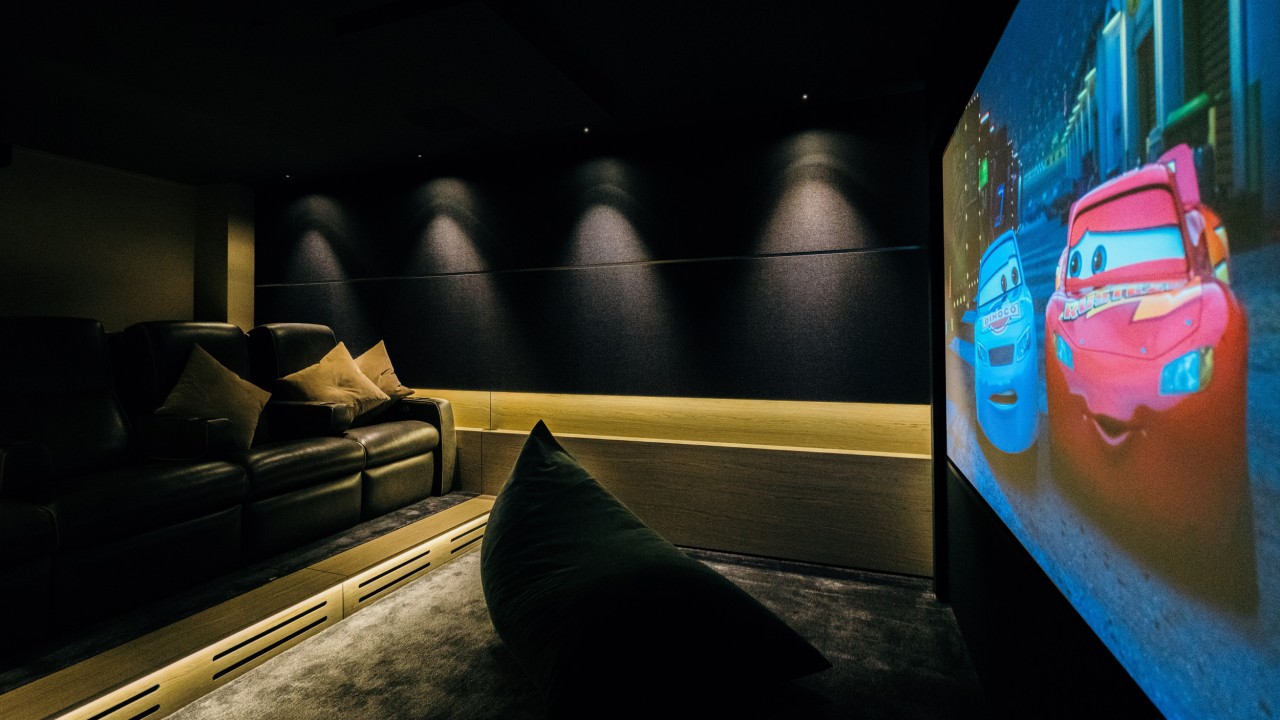
Dedicated Cinema Room vs Multi-Purpose Media Room
One of the first decisions homeowners face is whether to create a dedicated cinema room or a more flexible media space.
Dedicated Cinema Rooms
A dedicated cinema is designed specifically for movies and immersive entertainment.
These rooms typically include:
- Projection systems
- Surround sound audio
- Controlled lighting environments
- Purpose-designed seating layouts
- Acoustic treatments
For homeowners seeking a true theatre experience, a dedicated cinema offers the highest level of performance.
Multi-Purpose Media Rooms
Media rooms provide greater flexibility.
These spaces are often used for:
- Movies and streaming
- Sport viewing
- Gaming
- Family entertainment
- Casual gatherings
Media rooms generally feel more integrated into everyday life while still delivering an excellent audiovisual experience.
The right solution ultimately depends on the home, available space and how the room will be used.
Screen, Projector and Display Planning
The display is often the centrepiece of the room, but choosing the right solution requires careful planning.
Homeowners may choose between:
- Large-format televisions
- Projection systems
- Hidden or motorised displays
Several factors influence this decision:
- Room size
- Viewing distance
- Ambient light levels
- Interior design requirements
- Cabinetry and wall finishes
A display that works perfectly in one home may not be suitable in another.
Planning these elements early helps ensure the technology integrates naturally into the room rather than becoming an afterthought.
Speaker Placement and Surround Sound
Speaker placement has a significant impact on performance.
Even premium equipment can underperform if speakers are positioned incorrectly.
Modern luxury homes often incorporate:
- In-wall speakers
- In-ceiling speakers
- Architectural speaker solutions
- Hidden subwoofers
- Immersive surround sound systems
The challenge is balancing acoustic performance with clean architectural design.
When planned properly, speakers can effectively disappear into the room while still delivering exceptional sound quality.
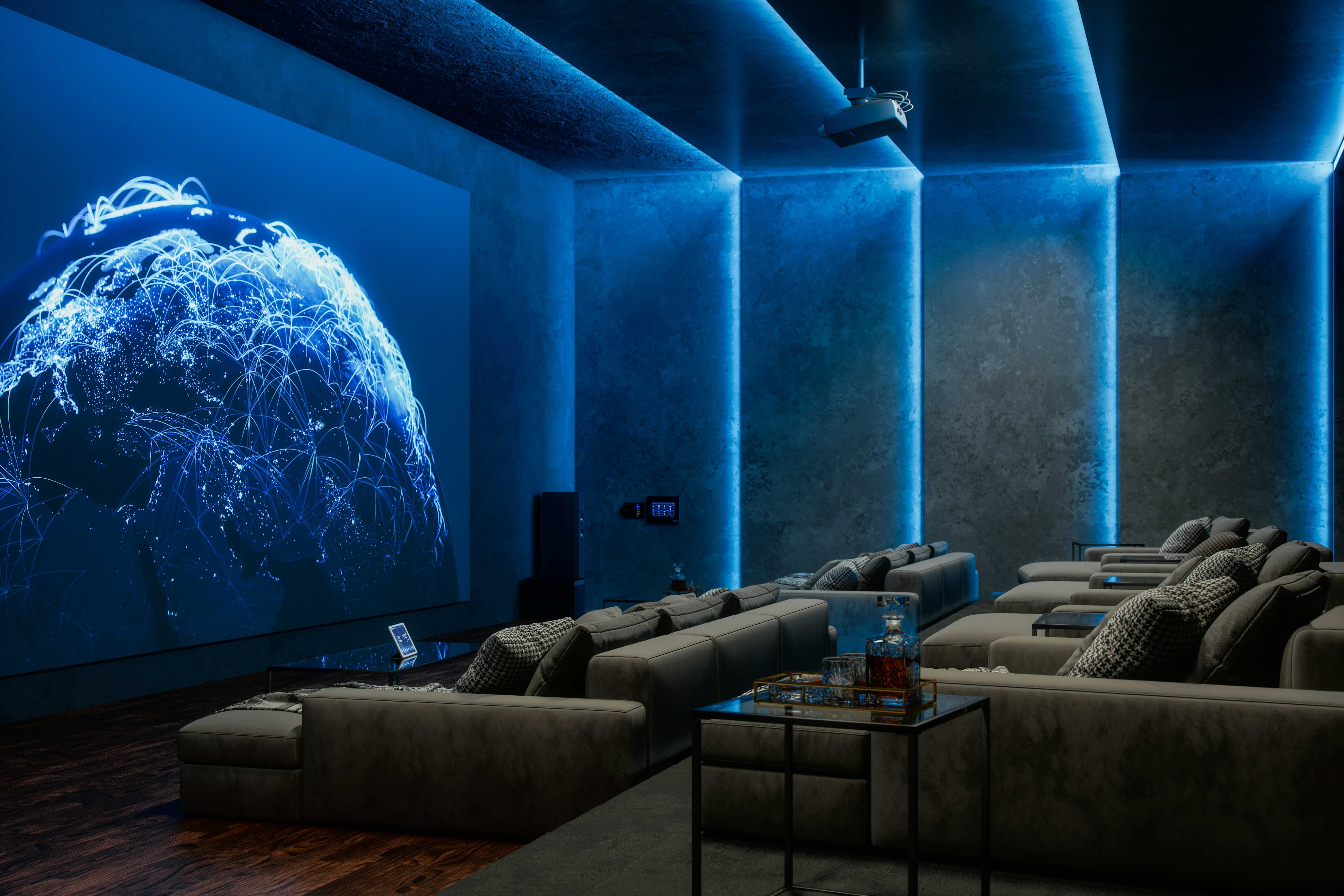
Lighting, Shading and Scene Control
Lighting plays a critical role in the cinema experience.
Even the best display system can be compromised by poor lighting control or unwanted glare.
Cinema rooms often incorporate:
- Dimmable lighting scenes
- Automated blinds and shading
- Task lighting
- Feature lighting
- Integrated control systems
A single "Movie Mode" scene might automatically lower blinds, dim lights, and activate the cinema system.
This level of integration creates a more immersive and enjoyable experience while simplifying everyday use.
Acoustics and Room Comfort
Acoustics are often overlooked until late in the design process.
However, room shape, surface materials and furniture all influence how sound behaves within a space.
Considerations include:
- Wall and ceiling construction
- Flooring materials
- Acoustic treatments
- Seating placement
- Equipment noise management
The goal is not simply louder sound.
It is clarity, balance and immersion.
In luxury homes, acoustic solutions can often be incorporated discreetly into the design, preserving aesthetics while improving performance.
Comfort is equally important. Seating, ventilation and room temperature all contribute to how enjoyable the space feels during extended viewing sessions.
Smart Home Integration
The best home cinemas are not isolated systems.
They form part of a broader smart home ecosystem.
By integrating cinema technology with home automation, homeowners can control:
- Lighting
- Audio
- Video
- Climate control
- Blinds and shading
through a single interface.
Platforms such as Crestron and Control4 allow these systems to work together seamlessly.
The result is a simpler experience where technology responds intuitively rather than requiring multiple remotes, apps or control systems.
For many homeowners, ease of use becomes just as important as performance.
Designing Home Cinemas for Sydney Homes
Home cinema design often varies depending on the type of property.
In larger homes across Sydney's Eastern Suburbs, North Shore, and Sutherland Shire, dedicated cinema rooms are increasingly being incorporated into new builds and major renovations.
In Sydney CBD apartments and penthouses, media rooms are often preferred due to space constraints, yet they still deliver premium entertainment experiences.
Regardless of the property type, successful projects require careful coordination between builders, designers and technology specialists.
Early involvement helps ensure the room performs as intended while maintaining the overall design vision of the home.
Common Mistakes to Avoid
Many cinema design issues can be traced back to decisions made too late in the process.
Some of the most common mistakes include:
- Leaving AV planning until construction is underway
- Choosing equipment before understanding the room
- Not allowing sufficient space for speakers and cabling
- Overlooking ventilation requirements
- Poor lighting control
- Overcomplicating the user experience
Perhaps the biggest mistake is treating the cinema as a standalone room rather than part of the wider home automation system.
The best results come from designing everything as one connected environment.
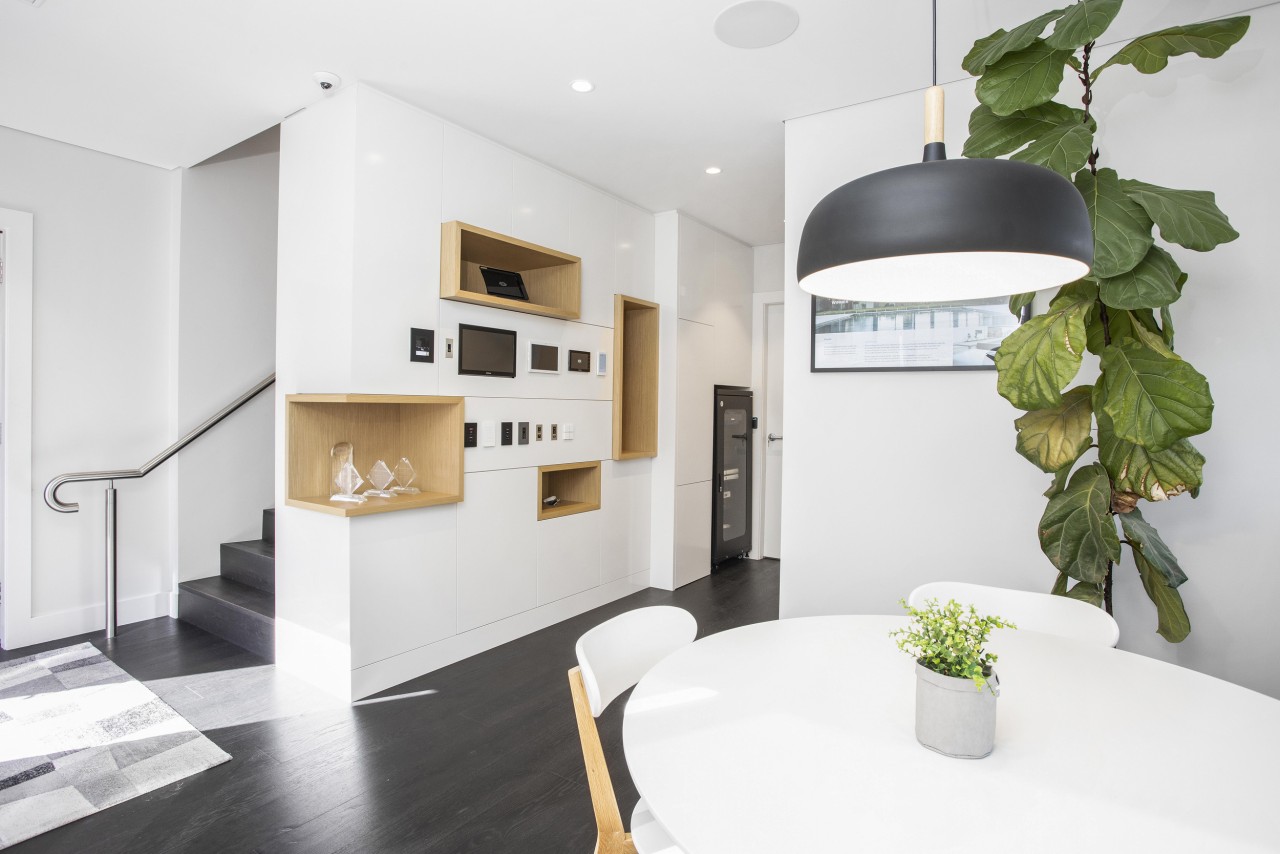
Work With a Home Cinema Specialist Before Construction Starts
A successful home cinema begins long before equipment is installed.
At Kayder, we work alongside homeowners, architects, builders and interior designers to ensure cinema and media rooms are planned correctly from the outset.
From dedicated theatre rooms to integrated media spaces, our focus is on creating environments that deliver exceptional performance while complementing the architecture and lifestyle of the home.
Whether you're building a new residence, planning a renovation or upgrading an existing entertainment space, early planning helps achieve the best possible outcome.
The result is a cinema experience that feels effortless, immersive and perfectly integrated into the home.
Frequently Asked Questions
What is the difference between a home cinema and a media room?
A home cinema is designed specifically for immersive movie viewing, while a media room is typically a more flexible space for television, sports, gaming, and everyday entertainment.
When should I start planning a home cinema?
The ideal time is during the early design phase of a new build or renovation. This allows wiring, acoustics, lighting, and equipment locations to be properly integrated.
Can a home cinema be integrated with smart home automation?
Yes. Modern cinema systems can be integrated with lighting, climate control, blinds, audio and security systems through platforms such as Crestron and Control4.
Do I need a dedicated room for a home cinema?
Not necessarily. Many luxury homes achieve excellent results using flexible media rooms designed with careful consideration of acoustics, lighting and technology integration.
When you subscribe to the blog, we will send you an e-mail when there are new updates on the site so you wouldn't miss them.
