When Should You Involve a Smart Home Specialist in a New Build?

When you're planning a new home, there are hundreds of decisions to make before construction even begins. Technology should be one of them.
The best smart homes aren't created by adding technology once the build is nearly finished. They're planned early, alongside the architecture, interiors, electrical design and construction program.
For a new build or major renovation, involving a smart home specialist during the design stage gives you far more flexibility. Wiring can be planned properly, equipment can be concealed, lighting and shading can be coordinated, and entertainment, security and networking can become part of the home rather than additions to it.
At Kayder, we work with homeowners, architects, builders and interior designers across Sydney to plan integrated smart home systems for premium residences from the early stages of a project.
Smart Home Planning: Key Things to Know
If you're building or undertaking a major renovation, the most important points are:
- Involve your smart home specialist during design or pre-construction, ideally before electrical plans are finalised.
- Plan wiring, networking and equipment locations before walls and ceilings are closed.
- Consider lighting, shading, security, audio-visual and climate as connected systems rather than separate decisions.
- Coordinate technology with architecture, interiors, cabinetry and electrical work.
- Plan infrastructure for what you may want in the future, not only what you need today.
Early planning doesn't mean deciding every piece of technology immediately. It means making sure the home has the right foundations.
Why Smart Home Planning Should Start Early
Much of the technology in a well-designed smart home is never seen.
Cabling runs behind walls. Equipment is housed discreetly. Speakers can be integrated into ceilings or walls. Lighting control reduces the number of switches required, while automated blinds can disappear neatly into architectural details.
For that to happen, decisions need to be made before construction reaches those areas.
Early home automation planning allows the project team to consider:
- Structured cabling
- Wi-Fi and network infrastructure
- Lighting control
- Automated shading
- Audio and video
- Home cinema and media rooms
- Security and access control
- Equipment and rack locations
It also allows the architect, builder, electrician and smart home specialist to resolve details together.
The result is cleaner, more considered and much easier to deliver.
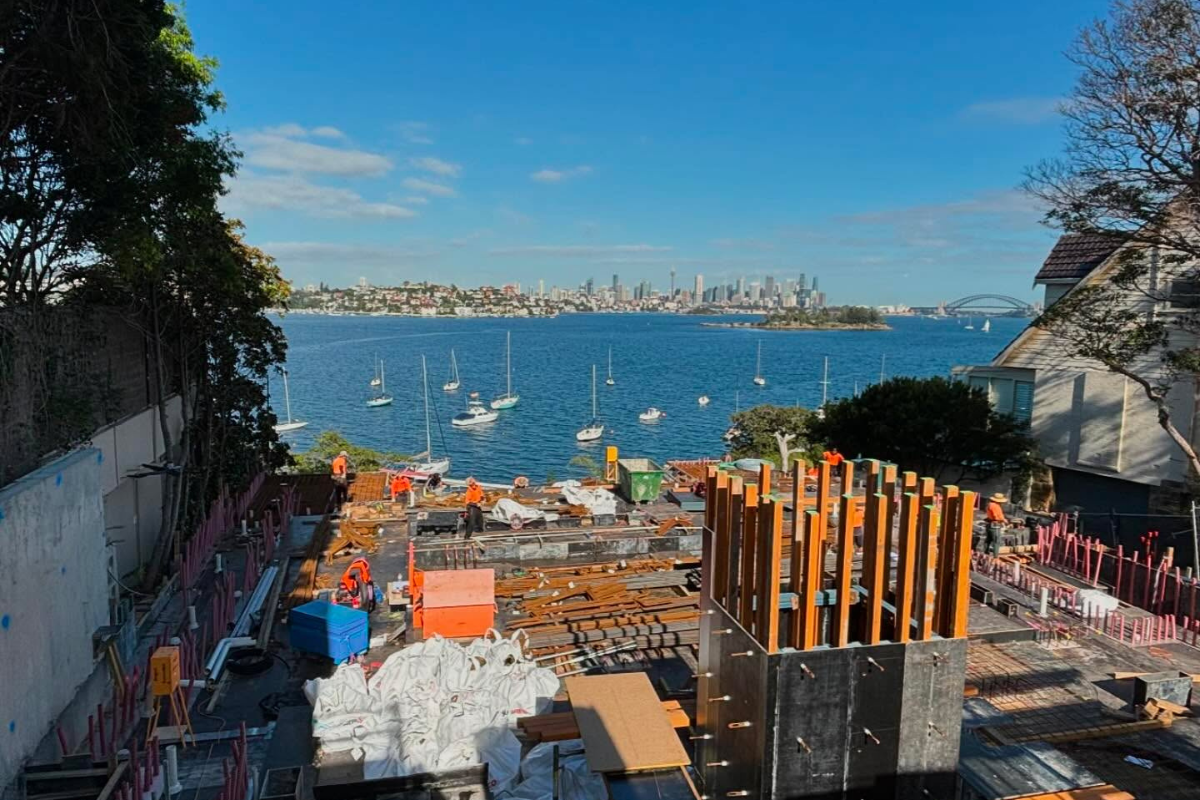
What Does a Smart Home Specialist Help Plan?
A smart home specialist looks beyond individual products and considers how technology will work across the entire property.
That may include lighting control and automated shading, whole-home audio, televisions and entertainment spaces, security cameras and access control, climate integration and a reliable home network.
If there's a dedicated home cinema or media room, the specialist can also plan screen position, speakers, acoustics, lighting and control before the room is constructed.
Then there's the control system itself.
Platforms such as Crestron can bring these technologies together, allowing homeowners to manage multiple parts of the home through one consistent interface rather than a collection of separate apps and devices.
The objective isn't to fill a house with technology.
It's to make the technology that's there work together.
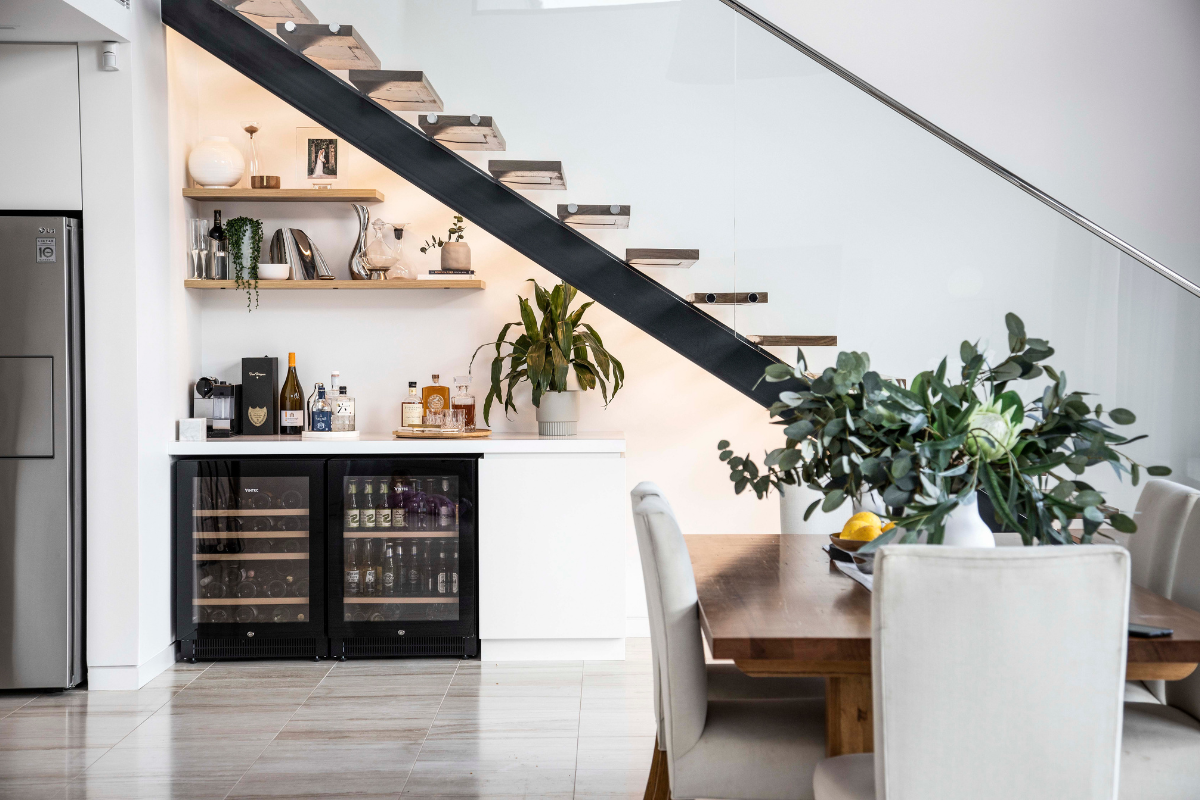
When Should Kayder Be Brought Into the Project?
Ideally, during the design or pre-construction stage.
Kayder should be involved before:
- Electrical plans are finalised
- Walls and ceiling details are locked in
- Cabinetry and joinery are finalised
- Lighting and shading decisions are complete
- Homeowners begin purchasing individual smart devices
This gives us time to understand how the home will be used and coordinate the technology with the wider project team.
It doesn't mean every final product needs to be selected on day one. Some technology will inevitably evolve during a lengthy build.
What matters early is getting the infrastructure and overall system design right.
The earlier Kayder is involved, the easier it is to design a system that works with the home, rather than around it.
Why Late Planning Can Create Problems
Bringing a smart home specialist in later doesn't necessarily mean automation isn't possible. It simply means some options may already be off the table.
Once construction progresses, there may be fewer pathways available for cabling. Equipment locations may already be committed. Ceiling details might limit speaker placement, while finished joinery can make it difficult to conceal technology cleanly.
Late planning can also lead to:
- Compromised Wi-Fi coverage
- Limited lighting or shading options
- Poor equipment locations
- Additional construction changes
- Visible technology that could otherwise have been concealed
- Separate systems that don't communicate effectively
Many of these issues can be solved, but it's generally simpler - and often more cost-effective - to address them on the plans rather than on site.
Working With Builders, Architects and Interior Designers
A smart home specialist doesn't work in isolation.
On a premium residential project, technology intersects with architecture, electrical services, lighting, joinery, interiors and construction.
That's why collaboration matters.
Kayder works alongside the project's architect, builder, interior designer and electrical team to ensure the technology supports the overall design intent.
For example, the position of a television may influence joinery. A motorised blind may require a concealed pocket. Architectural speakers need to coordinate with ceiling plans. Lighting keypads need to sit comfortably within the interior design.
Individually, these can seem like small details.
Together, they're what make integrated technology feel as though it was always meant to be there.
You can see this approach across our residential smart home projects, where technology has been considered alongside the architecture and interior design.
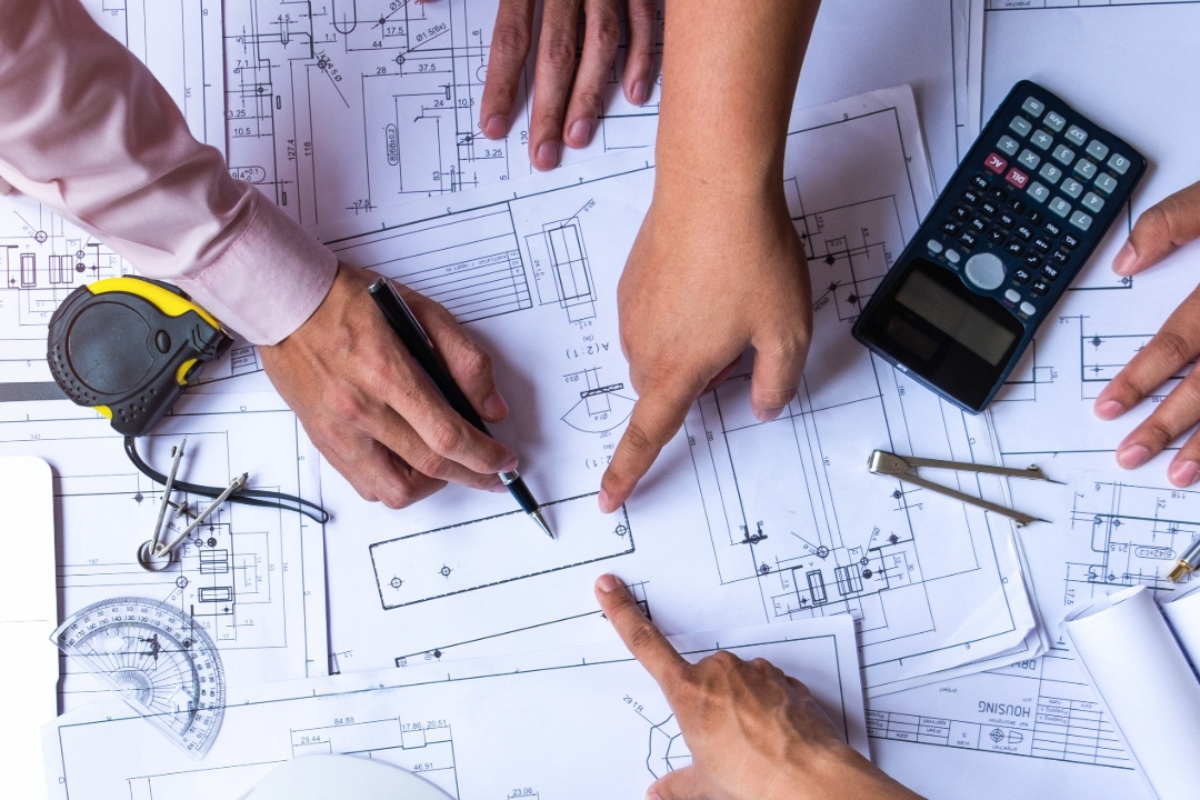
New Builds vs Renovations: What Changes?
New builds offer the greatest freedom because infrastructure can be designed from a blank canvas.
Cabling pathways, equipment rooms, network points and control systems can all be incorporated into the plans before construction begins.
Renovations require a slightly different approach.
Existing walls, wiring and access may influence what's possible, so the property needs to be assessed before the system is designed. A substantial renovation can still provide an excellent opportunity to introduce or upgrade home automation, particularly when walls and ceilings are being opened as part of the works.
In either case, the principle is the same: plan as early as you reasonably can.
Future-Proofing the Home
Technology changes. Good infrastructure shouldn't need replacing every time it does.
Future-proofing isn't about trying to predict every device you'll use in ten years. It's about creating enough flexibility for the home to adapt.
That means considering cabling, networking capacity, equipment space and system scalability from the outset.
A family might decide to add more audio zones later. A media room could become a dedicated cinema. Security requirements may change. New devices will inevitably join the network.
Crestron home automation can also be designed to grow as requirements change, rather than forcing homeowners to replace the entire system.
A well-planned smart home should work for the way you live now, with room to evolve later.
Questions to Ask Before Construction Starts
Before plans are finalised, it's worth discussing a few practical questions with your smart home specialist:
- Which areas of the home would benefit from automation?
- Do you want integrated lighting and automated shading?
- Will there be a dedicated home cinema or media room?
- Where would you like music or television throughout the property?
- What security, camera and access systems will be required?
- What will the home's Wi-Fi and networking demands look like?
- Who will use the system day-to-day?
- How simple does control need to be for family members and guests?
- Should the system allow for future additions or upgrades?
- Who is coordinating the technology requirements with the builder and electrician?
You don't need to know all the answers immediately.
That's part of why you involve a specialist early.
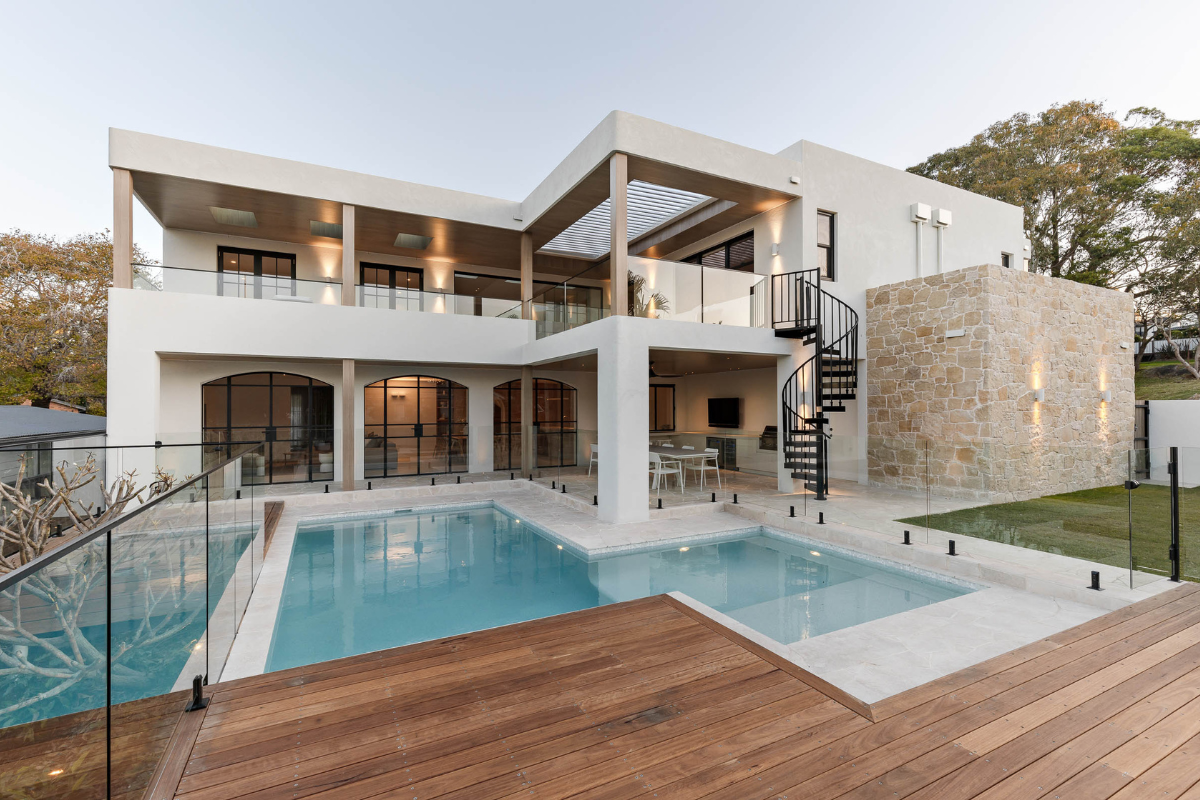
Speak With Kayder Before You Build
If you're planning a new home or major renovation, the best time to start discussing smart home automation is before the construction details are locked in.
Kayder works with homeowners and project teams across Sydney, including the Eastern Suburbs, Sutherland Shire and North Shore, to design integrated technology around the home from the outset.
You can also visit the Kayder smart home showroom to experience integrated lighting, entertainment and control systems and explore what's possible for your own home.
Early involvement gives everyone more options, makes coordination easier and helps protect both the technical performance and architectural finish of the project.
If you're at the design or pre-construction stage, speak with Kayder about planning your smart home before you build.
When you subscribe to the blog, we will send you an e-mail when there are new updates on the site so you wouldn't miss them.
