What Makes a Luxury Smart Home Work Well?

A luxury smart home isn't defined by how much technology it has.
It's defined by how well that technology works.
The lighting responds the way you expect. Music moves easily throughout the home. Blinds, climate, security and entertainment are simple to control. The network works wherever you need it. And much of the technology itself quietly disappears into the architecture.
When everything is properly planned and integrated, you shouldn't have to think much about the system behind it.
That's the difference between a home filled with smart devices and a genuinely integrated smart home.
At Kayder, we design smart home systems for premium residences across Sydney, bringing lighting, shading, audio-visual, security, networking, home cinema and control together around the way each home will actually be lived in.
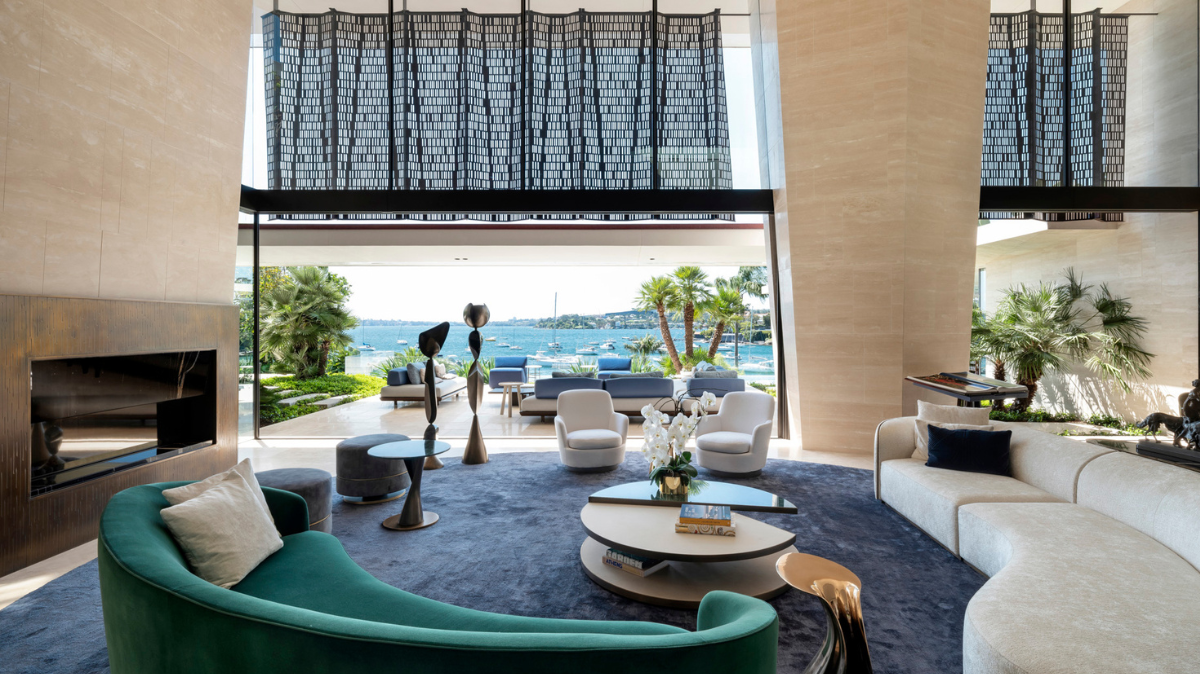
Luxury Smart Homes: What Matters Most?
A well-designed luxury smart home should:
- Bring different technologies together into one simple experience
- Be intuitive for homeowners, family members and guests
- Have a reliable network supporting everything behind the scenes
- Integrate discreetly with the architecture and interiors
- Be designed around the people living in the home
- Have the flexibility to adapt as needs and technology change
The individual products matter, but it's the planning and integration behind them that makes the biggest difference.
It Starts With Proper Planning
The best smart homes start well before the technology is installed.
Ideally, home automation is considered alongside the architectural plans, electrical design, lighting, joinery and interiors. This allows the technology specialist to work with the architect, builder, designer and electrician rather than trying to fit a system around decisions that have already been made.
Early planning also allows infrastructure such as cabling, networking and equipment locations to be resolved before walls and ceilings are closed.
This is especially important in a premium home, where the expectation is that technology will complement the design rather than compete with it.
A well-planned system should feel like part of the home from the beginning.
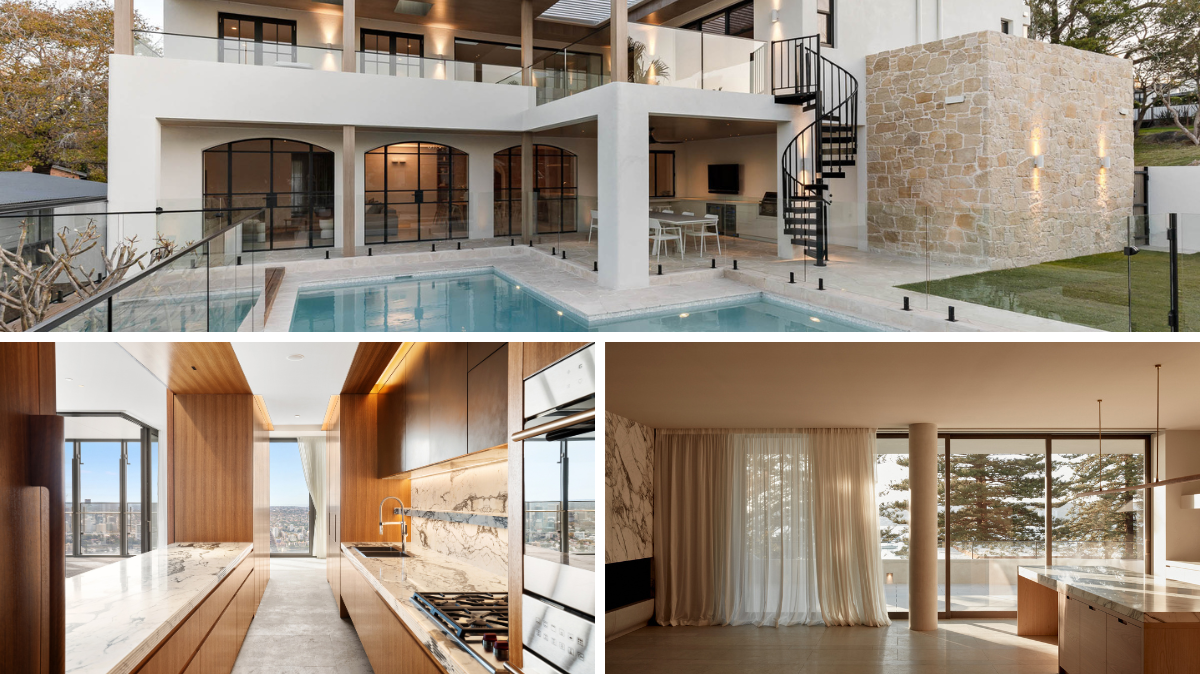
All Systems Should Work Together
A smart home becomes significantly more useful when individual systems stop operating in isolation.
Lighting shouldn't require one app while the blinds use another. The home cinema shouldn't feel completely separate from the rest of the house. Security, climate and entertainment shouldn't each require a different control experience.
Instead, an integrated home automation platform can bring these systems together.
Crestron home automation, for example, can provide centralised control of multiple systems throughout the property. This allows technology to respond together rather than as a collection of individual devices.
An "Away" scene might turn off lighting, adjust climate, lower selected blinds and activate security.
An "Entertain" scene could adjust lighting, open the entertaining areas and start music in selected zones.
The technology behind those actions may be sophisticated.
Using it shouldn't be.
The Technology Should Be Easy to Use
Complexity behind the scenes should create simplicity for the homeowner.
That's one of the most important principles of good smart home design.
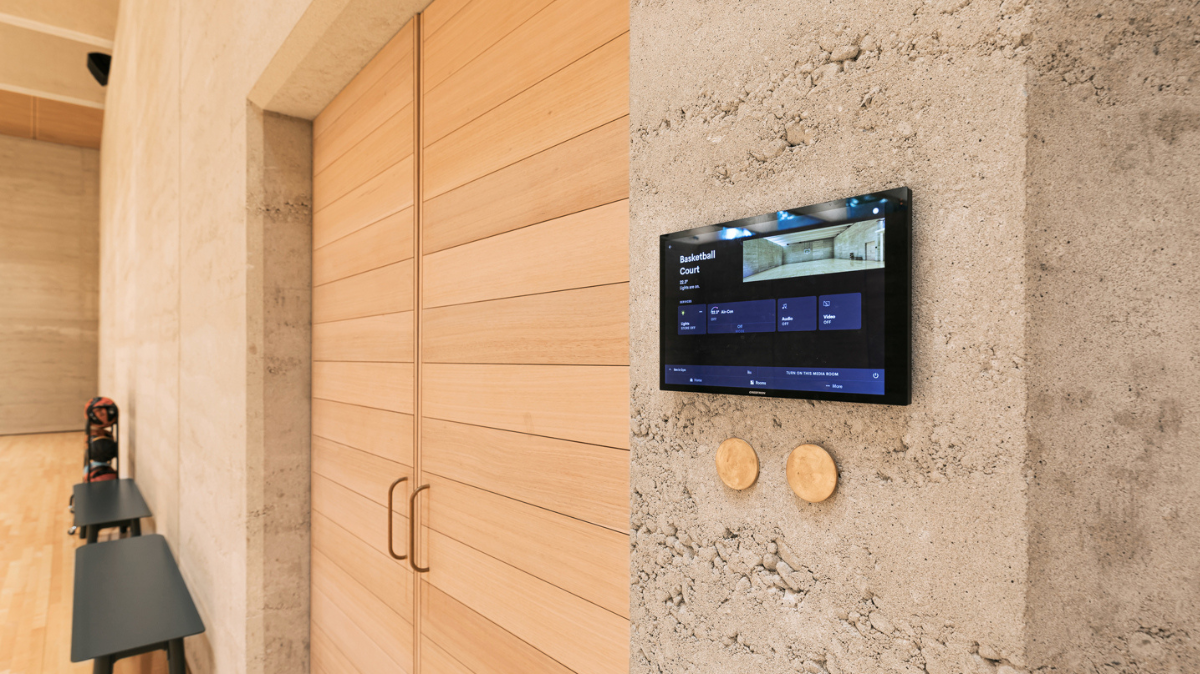
Everyday functions should be intuitive, whether they're controlled from a wall keypad, touchscreen or app. Homeowners shouldn't need to remember which system controls which part of the house or work through multiple steps to perform a simple task.
Thoughtfully designed scenes make this even easier.
Morning might gradually adjust the blinds, lighting and temperature.
Movie Night could lower the blinds, dim the lights and prepare the home cinema.
Evening can create a softer lighting environment throughout the main living areas.
Away can prepare the property when everyone leaves.
The exact scenes will differ from one home to another, because the system should be designed around the people using it.
Reliable Networking Is the Foundation
It isn't the most visible element of a luxury smart home, but it may be one of the most important.
A strong, professionally designed home network supports almost everything else.
Streaming, whole-home audio, security cameras, automation, mobile devices and connected appliances all place demands on the network. In a large residence, multi-level property or apartment with challenging construction materials, a standard consumer Wi-Fi setup may not provide the coverage or reliability required.
Network planning considers the size and construction of the property, equipment locations, coverage requirements and the number of connected devices.
When it's done properly, you barely notice it.
And that's exactly the point.
Lighting and Shading Make a Big Difference
Lighting strongly influences how a home feels.
Smart lighting control lets different areas of the home respond to the time of day, activity, or mood without homeowners needing to adjust multiple switches individually.
A single scene might create the right lighting for entertaining, dining or relaxing in the evening.
Automated shading can work alongside it, helping manage glare, privacy and comfort while reducing the need to manually adjust blinds throughout the day.
In homes with large expanses of glass, this becomes particularly valuable.
The best results come when you consider lighting and shading as part of the architecture and interior design, rather than as technology decisions made later.
Audio, Home Cinema and Entertainment Should Feel Seamless
Entertainment is another area where integration makes a noticeable difference.
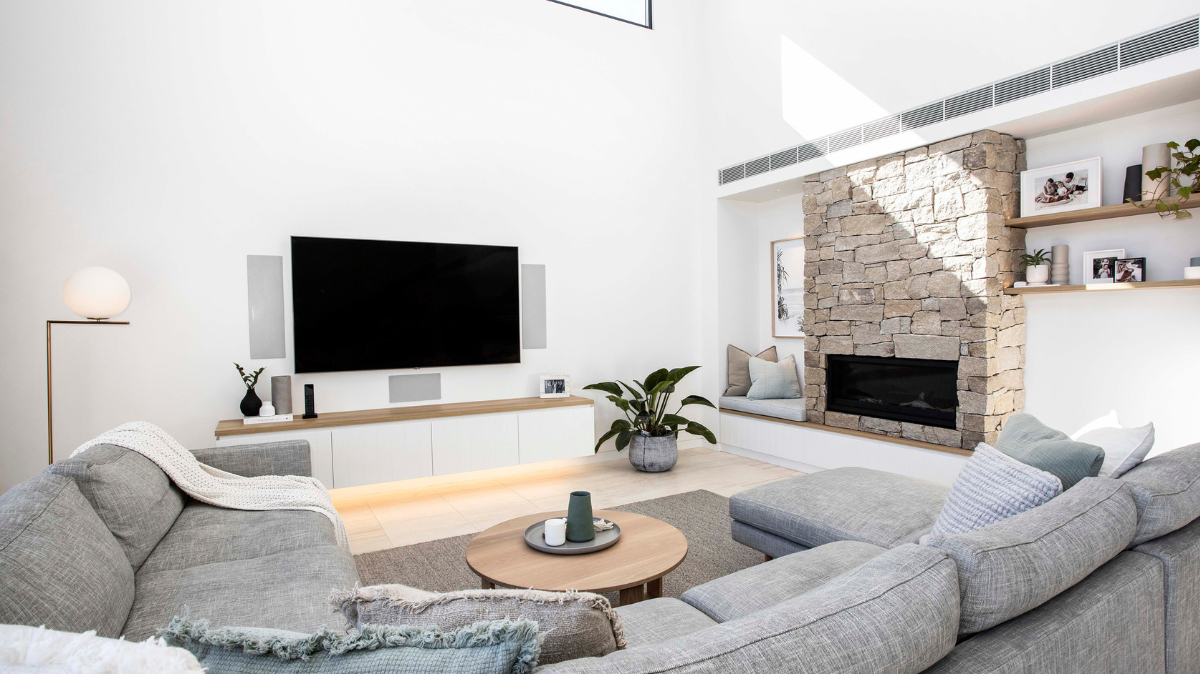
Whole-home audio can allow music to move easily between living spaces, outdoor entertaining areas and bedrooms, while keeping speakers and equipment discreet.
A media room or dedicated home cinema takes that coordination even further.
Screen, sound, acoustics, lighting, shading and control all contribute to the experience. When they're planned together, starting a movie shouldn't involve several remotes and a sequence of different settings.
One command can prepare the entire room.
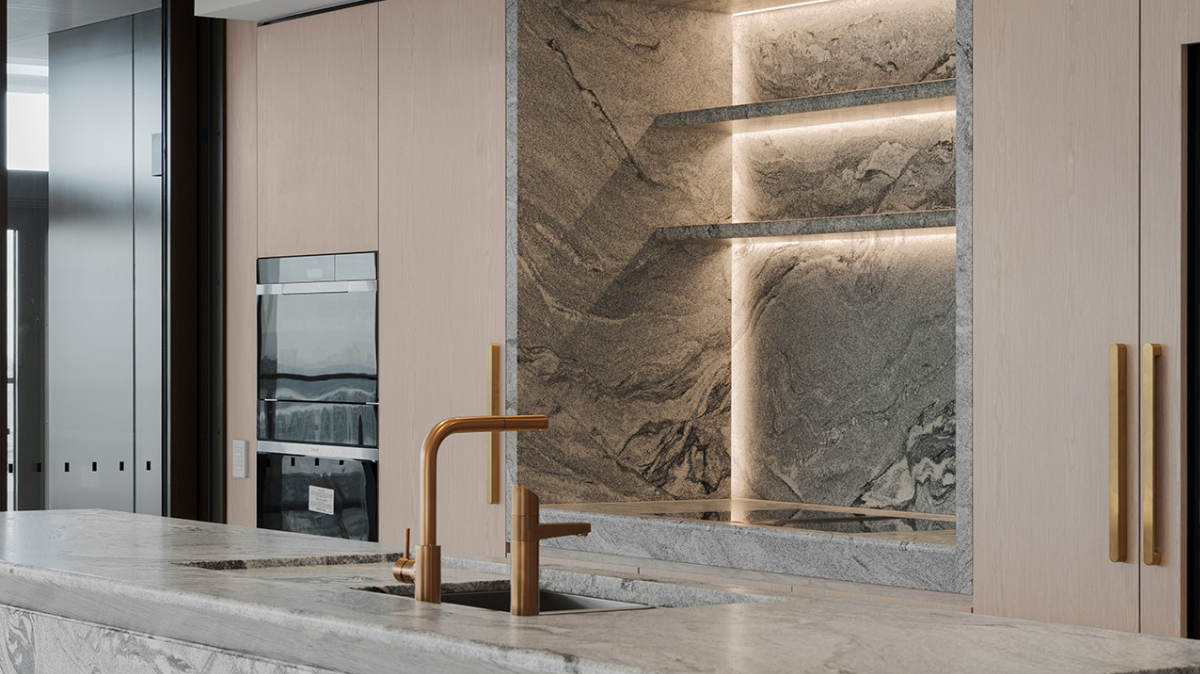
And when entertainment systems aren't in use, good design allows much of the technology to blend back into the home.
Security Should Be Built Into the System
Security works best when it is considered as part of the wider home rather than as a separate collection of cameras and alarms.
Cameras, intercoms, access control and security systems can work alongside lighting and automation to provide homeowners with simple, convenient control.
For example, an Away scene could combine security functions with lighting and climate adjustments. Access control can provide greater flexibility around who enters the property, while integrated interfaces can make it easier to see what's happening around the home.
The focus isn't on making the home feel highly secured.
It's on giving homeowners greater visibility and control without adding unnecessary complexity.
It Should Suit the Home, Not Just the Technology
There is no single formula for a luxury smart home.
A Sydney CBD apartment has very different requirements from a large family residence in the Eastern Suburbs, Sutherland Shire or North Shore.
Architecture matters. So do the interior design, the property layout and, most importantly, the lifestyle of the people living there.
One household may prioritise entertaining and whole-home audio. Another may prioritise security, lighting, and privacy. A family might need simple controls that everyone can use, while another homeowner may want extensive customisation.
That's why the starting point shouldn't be a list of products.
It should be a conversation about the home.
Project Proof: Seeing Integration in Real Homes
Completed projects are often the best way to understand the difference good integration makes.
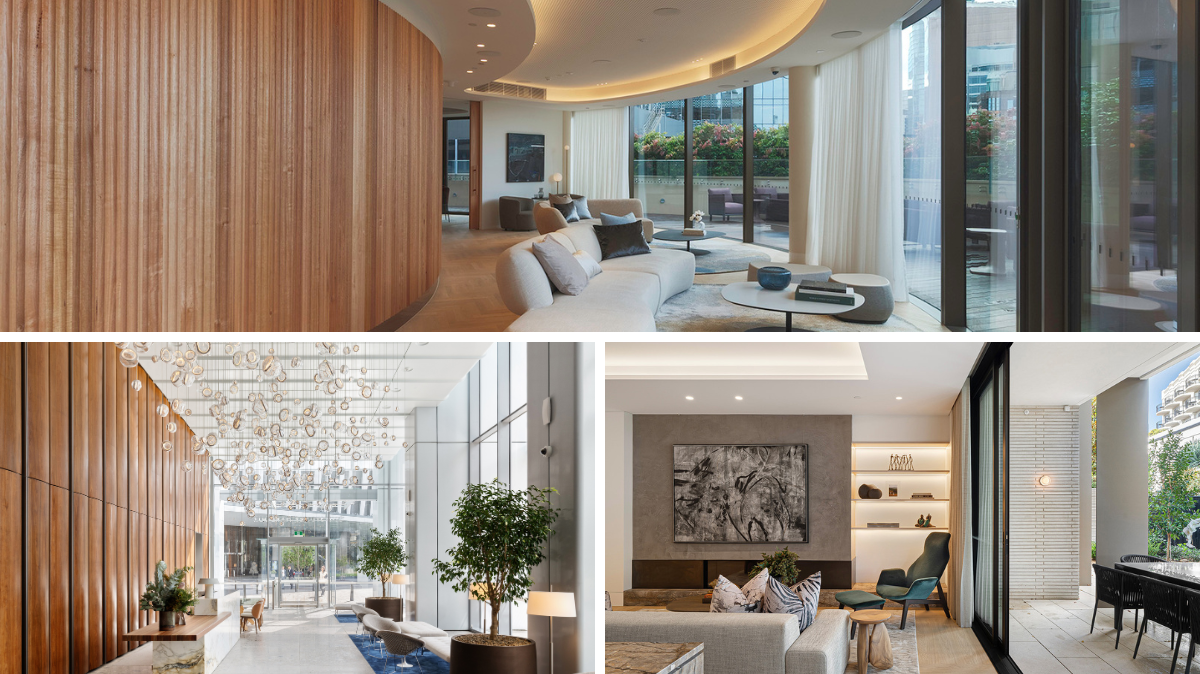
Across projects including One Sydney Harbour, 111 Castlereagh Street and William Street, Double Bay, the technology requirements may vary considerably, but the underlying principle remains the same: every system needs to work with the property.
We consider lighting, entertainment, networking, and control in relation to the architecture and how each space will be used.
This combination of planning, integration, and execution turns individual technologies into a smart home that works as one.
Explore our residential smart home projects to see how we've integrated technology into different Sydney homes and residences.
What Should You Look for in a Luxury Smart Home?
If you're planning a new build, renovation or technology upgrade, don't start by asking how many smart features you can add.
Instead, ask:
- Will everything work together?
- Is the system easy for everyone in the home to use?
- Has the network been designed to support it properly?
- Can technology be integrated discreetly into the architecture?
- Has the system been designed around how we actually live?
- Can it adapt if our needs change?
- Who will support the system after installation?
Those questions often tell you far more about the quality of a smart home than the number of devices installed.
Speak With Kayder About Luxury Smart Home Automation
A luxury smart home should make living in your home easier - not give you more technology to manage.
Kayder designs and installs integrated smart home systems for premium homes across Sydney, working alongside homeowners, builders, architects and interior designers to bring the different elements of the home together.
Whether you're planning a new build, undertaking a major renovation or looking to improve an existing system, involving a smart home specialist early gives you more opportunity to get the details right.
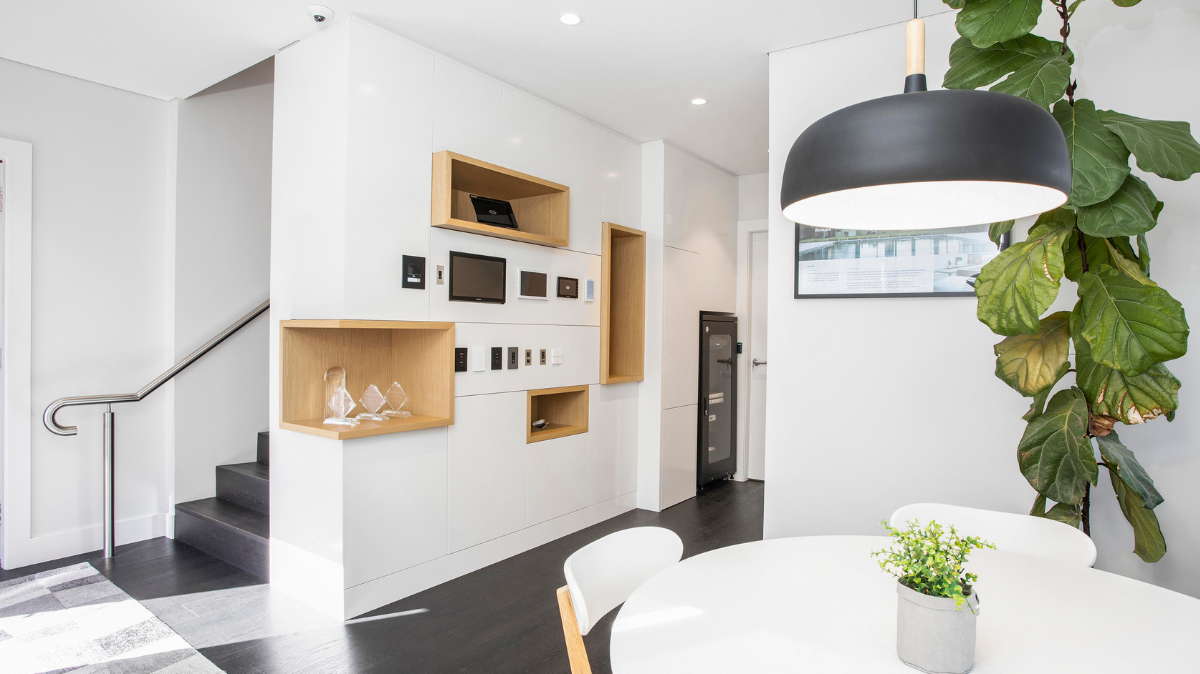
Speak with Kayder about your project, or visit the Kayder smart home showroom to experience integrated home technology for yourself.
When you subscribe to the blog, we will send you an e-mail when there are new updates on the site so you wouldn't miss them.
